01 / General assembly000—025
Integrated outer housing
The CNC-machined housing and mounting flanges shield the electrical architecture from mechanical loads and environmental exposure.
01 / General assembly000—025
The CNC-machined housing and mounting flanges shield the electrical architecture from mechanical loads and environmental exposure.
02 / Mechanical core026—055
The rotor shaft, precision bearings and sealing assembly control misalignment and support stable rotation.
03 / Contact system056—085
Copper and gold-plated contact paths carry power, signals and data to the rotating side with low contact resistance.
04 / Connection layer086—120
Internal boards, an organised cable harness and connector flanges keep field connections compact and serviceable.
A slip ring is an electromechanical connection system that transfers power, analogue/digital signals and data from a stationary structure to a rotating one.
It eliminates cable twisting, enabling controlled, continuous 360° rotation.
Power and data source
Ring and brush assembly
Continuous 360° motion
Separate transmission channels for different current and voltage levels.
AC / DCLow-noise architecture for control, encoder, Ethernet and precision measurement signals.
Signal / DataA rotating structure adapted to the application through bearing and sealing components.
360° ContinuousThe Core Slip platform is configured around real application needs, from mechanical dimensions and electrical channels to environmental protection and connector selection.
Continuity for pitch control, nacelle connections and demanding field conditions.
Multi-axis robots, rotary tables and high-speed production lines.
Flight test systems, moving sensor platforms and simulators.
CT gantries and imaging platforms that require continuous rotation.
Cranes, cable reels and rotating deck equipment.
Machining, wiring and surface treatment follow the same quality approach. Each station produces measurable, verifiable output for the next step.
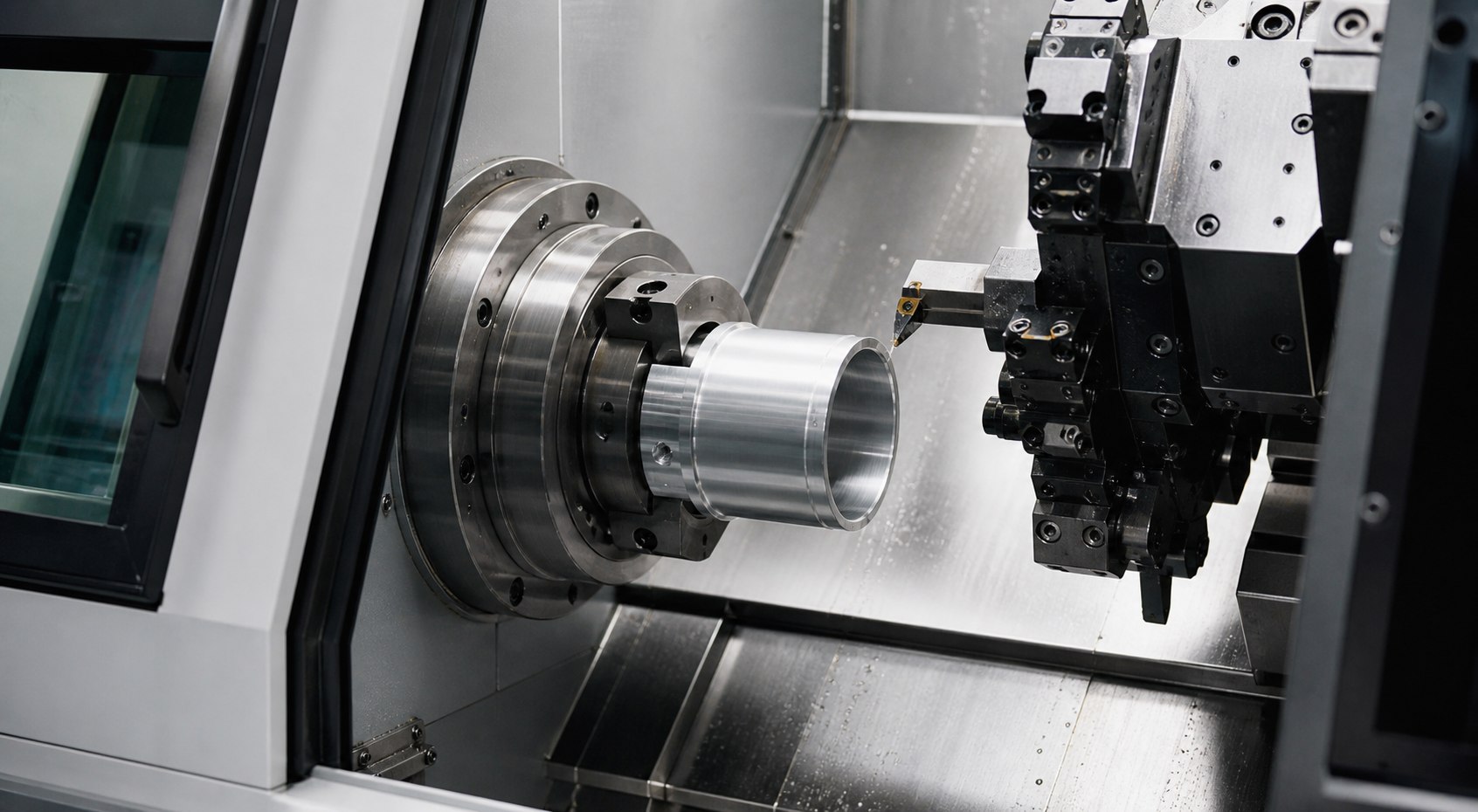
Repeatable tolerances and surface quality for housing, shaft and flange components.
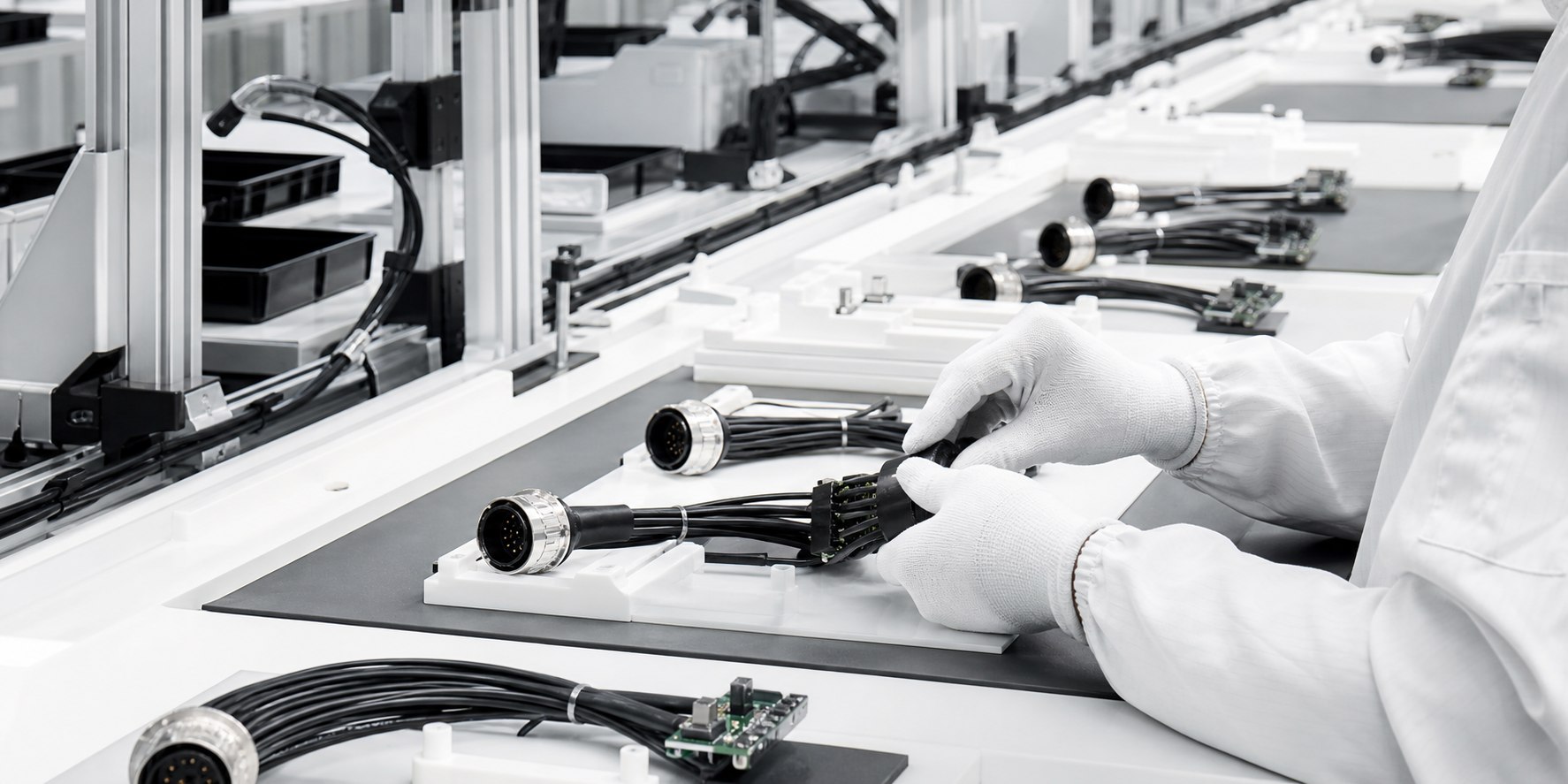
Controlled connection and continuity assembly for connectors, PCBs and cable harnesses.
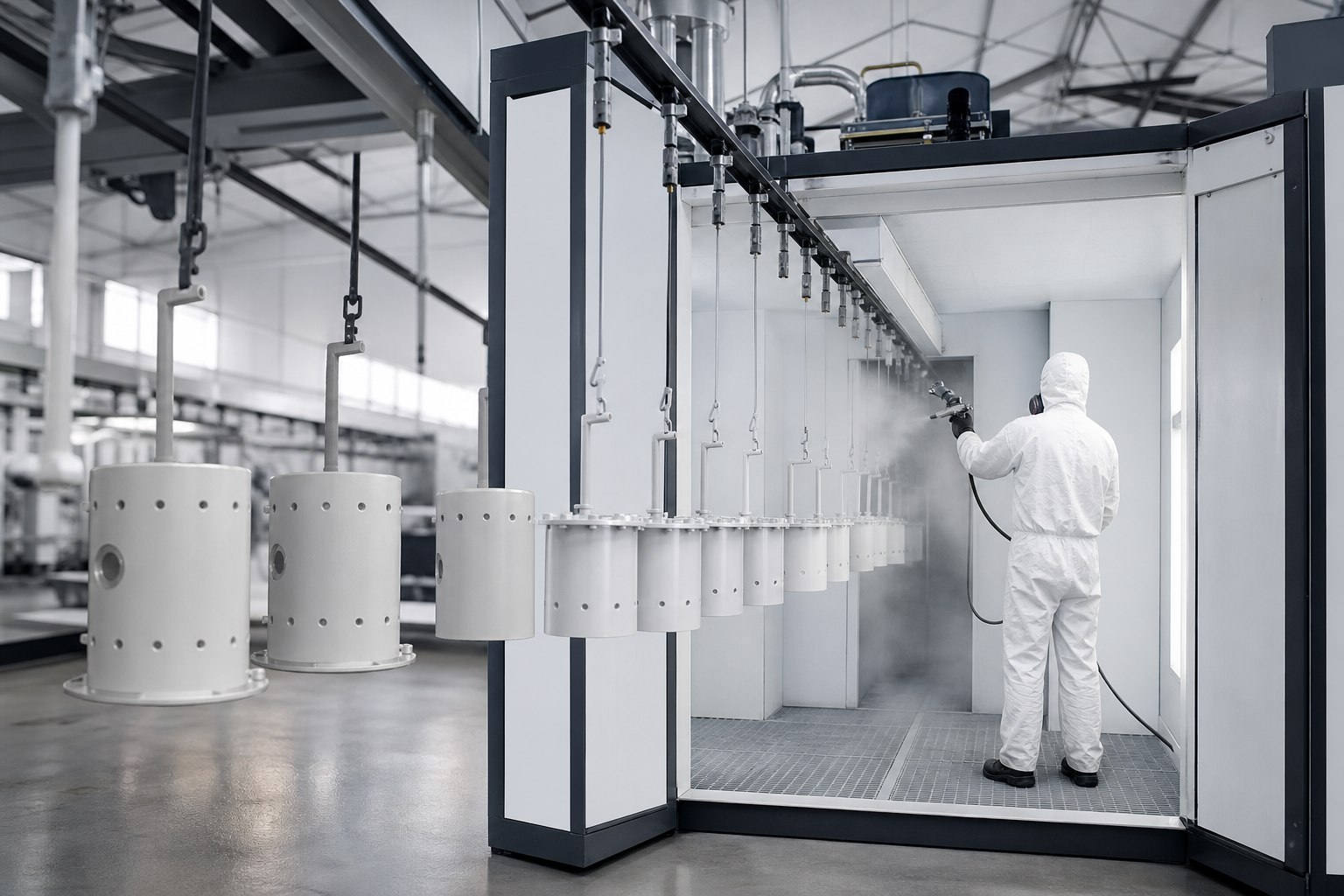
A finishing process that improves environmental resistance with controlled thickness and a uniform surface.
A slip ring establishes an electrical connection through rotating rings and brushes in contact with them. The arrangement of rotating and stationary parts depends on the application. Separate channels can carry power, control signals or suitably engineered data connections. This animated view explains how the parts relate to each other; it does not specify the dimensions or capacity of every product.
No. Two slip rings with the same channel count can differ in contact material, current capacity, wiring and mechanical layout. Slip ring selection requires a joint review of electrical and mechanical requirements. For data transmission, specify the protocol and target data rate as well as wire count. Review ingress protection, operating speed and maintenance expectations alongside the product family, and confirm exact values in the project specification.
04 / Let's define your project
Share the speed, channels, current, data protocol and operating environment. Core Slip engineers will develop the solution architecture with you.