Requirements first
Instead of fitting your system to a standard size, we define its constraints and priorities together. Your application is the starting point for the design.
CORE SLIP / About us
We design connections for rotating systems, bringing mechanical structure, electrical transmission and manufacturing together around your application's real needs.

01 / Who we are
Core Slip is an Entity of ASELSAN Gaziantep. It is being established in Gaziantep, Türkiye.
Core Slip designs and manufactures custom slip ring solutions to transfer power, signals and data between stationary and rotating parts. To us, a slip ring is not an isolated catalogue item; it is part of the system it will serve.
The limited space inside a robot joint is very different from the operating conditions of a wind turbine. That is why we begin every project with the application, not a product name: What rotates? What information needs to travel? How much space is available? And how should the connection perform?
Our approach turns the answers into a shared technical definition. From housing dimensions to cable exits, every choice is assessed alongside the project's mechanical and electrical requirements.
Instead of fitting your system to a standard size, we define its constraints and priorities together. Your application is the starting point for the design.
We do not treat mechanical layout and electrical transmission as separate subjects. The housing, contacts, wiring and mounting interface are parts of one whole.
We consider design decisions alongside machining, assembly and inspection. The aim is a product that works in a real system, not just on a drawing.
02 / Tailor-made engineering
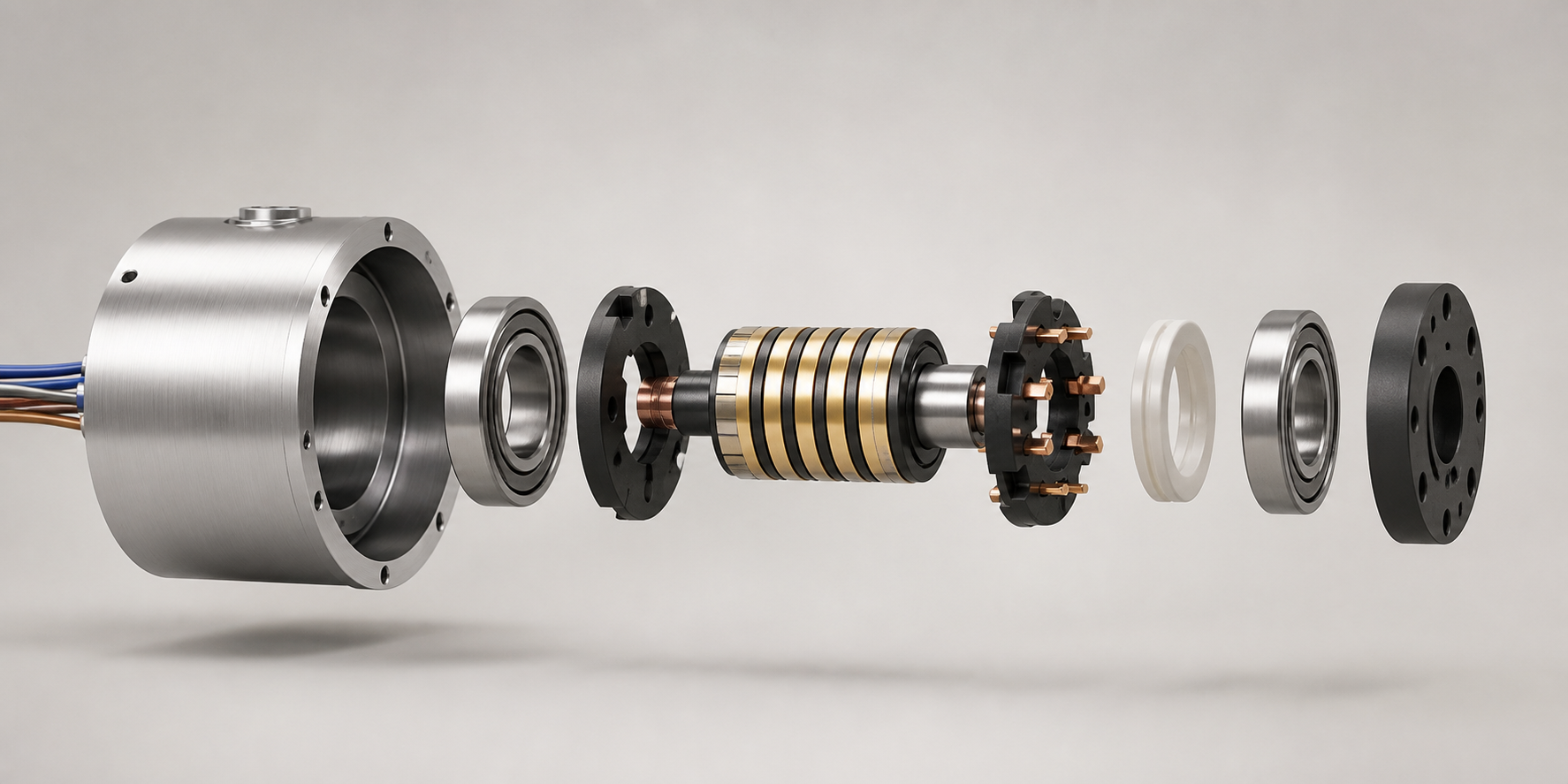
Capsule, through-bore and high-current product families are starting points. Channel combinations, housing geometry, mounting space, rotation profile and environmental conditions together shape the final solution.
Sometimes the defining requirement is a shaft through the centre; sometimes it is a compact housing or the need to carry power and signals together. Clarifying these priorities early lays the foundation for manufacturing and integration.
03 / Inside manufacturing
From machining to electrical assembly, each stage lays the groundwork for the next. We see manufacturing not just as finishing individual parts, but as turning a design into a controlled, integrated whole.
Machined surfaces, assembly sequence, cable routing and final checks are planned together around the product's application.
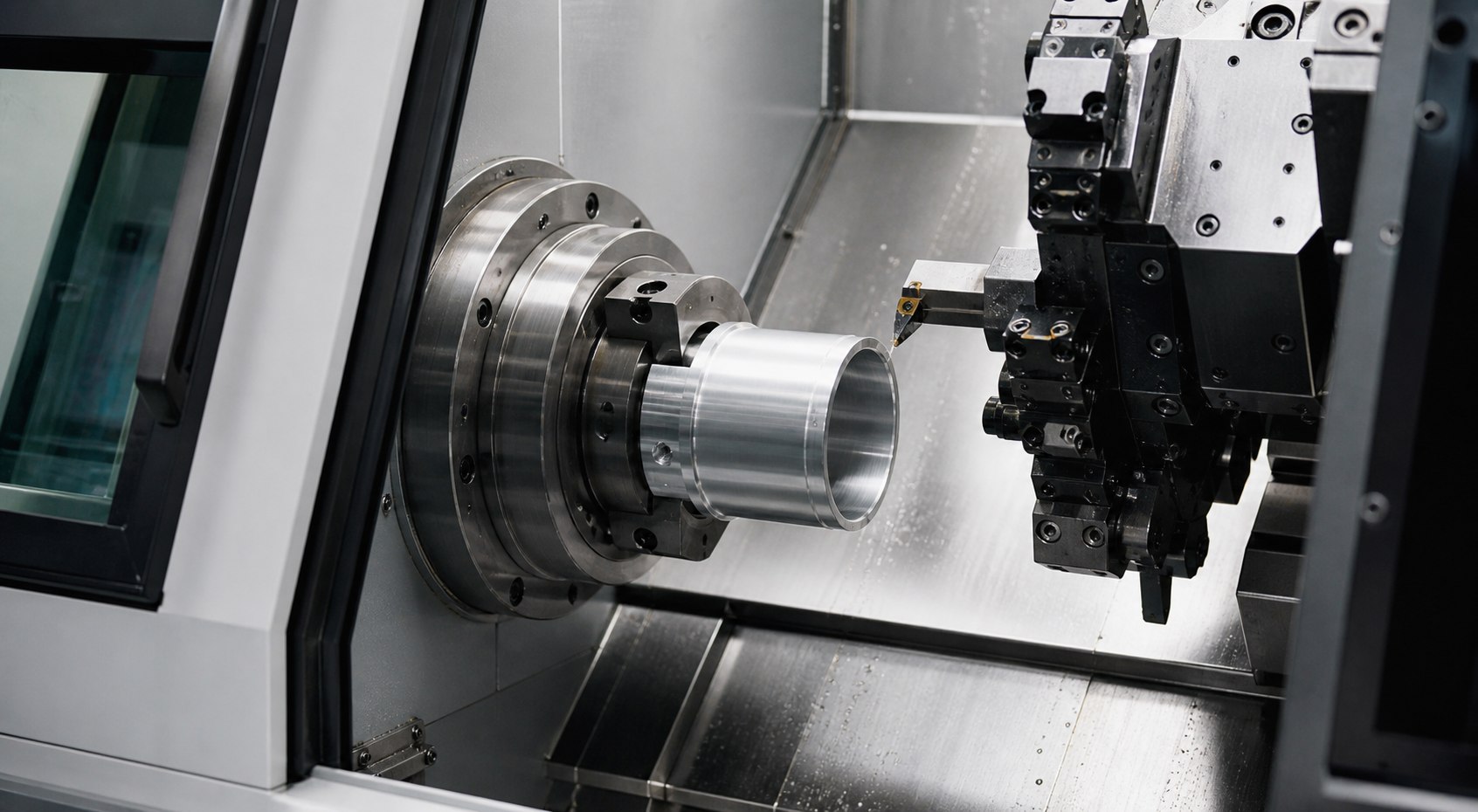
01 / Mechanical manufacturing
The relationship between the housing, shaft and flange components is fundamental to assembly. Bearing surfaces, connection details and mating areas are assessed against the dimensions required by the design.
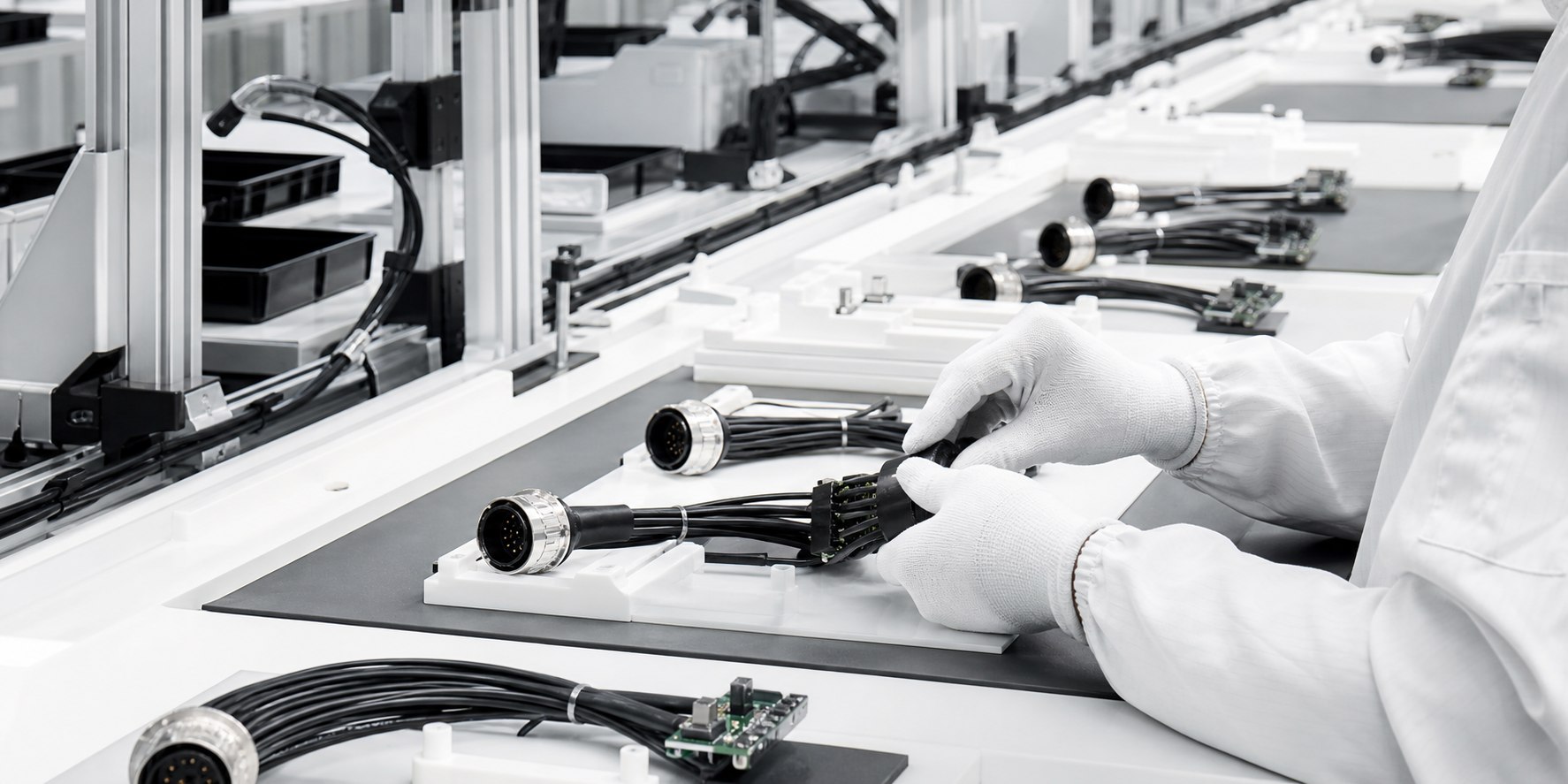
02 / Electrical assembly
The path from the contact group to the external connection is completed by the cable harness, connection points and connector layout. Channel mapping and cable placement follow the system's electrical definition.
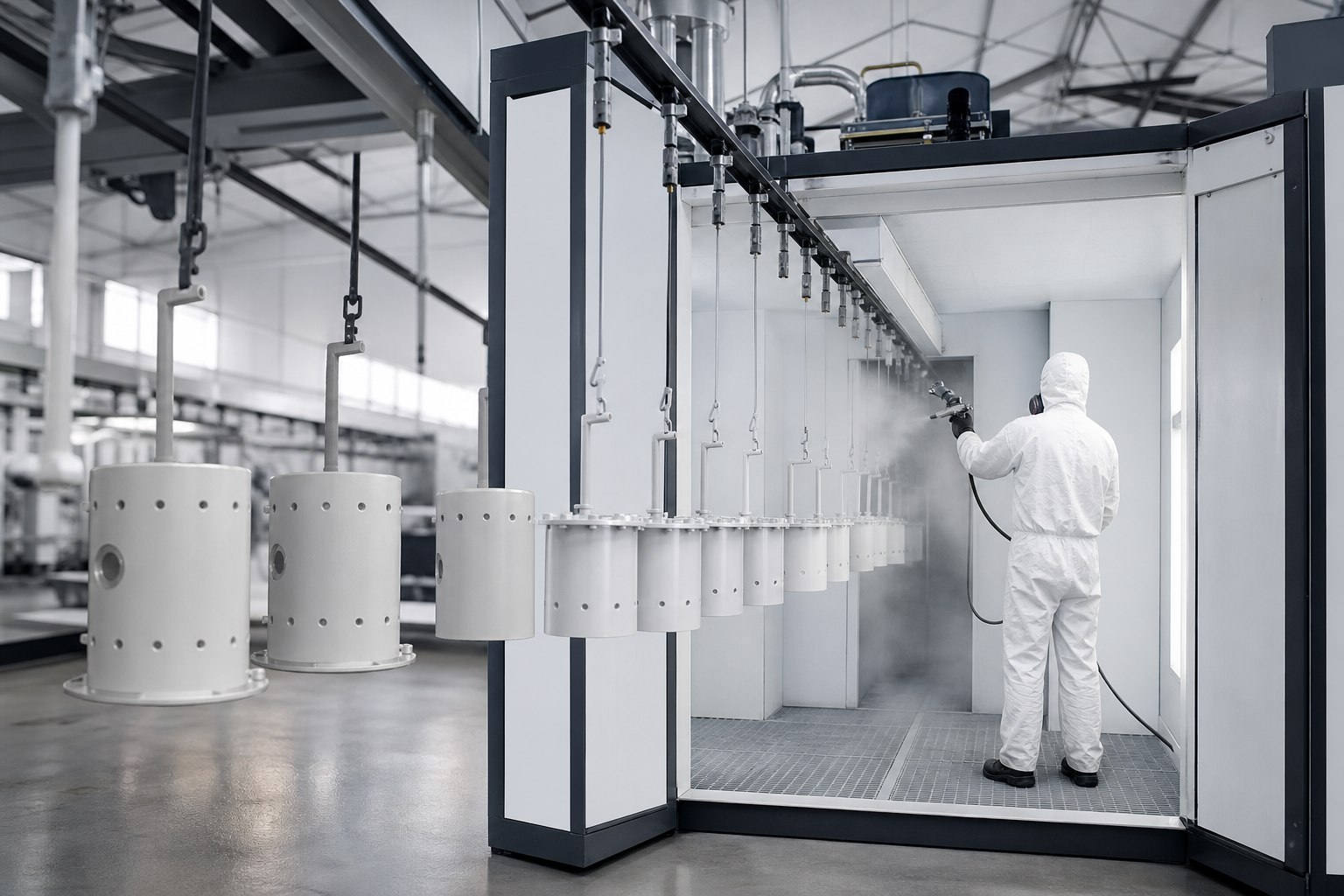
03 / Surface finishing
The surface finish is selected alongside the housing material and operating environment. Protection needs, mounting surfaces and visual consistency are considered within the same production plan.
04 / Our validation approach
We do not leave quality until the final stage. We discuss inspection points while defining the project requirements, so design, manufacturing and validation all focus on the same expectations.
Mounting interfaces, component fit and rotational behaviour are considered against the system's mechanical requirements.
Channel mapping, electrical continuity and insulation requirements are assessed in line with the agreed electrical architecture.
Validation of speed, environmental conditions and duty cycle is defined for each project. A specific protection rating or service-life target is confirmed separately in the product's technical specification.
05 / How we work together
Every project has different needs. Yet a clear technical definition, design review and coordinated production planning provide a common starting point.
We discuss what the system does, the available space and the power or signals to be transferred. If the technical values are not all ready, we start with the questions that need answers.
Mechanical dimensions, channel architecture, operating conditions and connection interfaces become one shared definition. Design constraints and priorities become clear at this stage.
We evaluate the product family and application-specific details within that framework. Prototyping or preliminary validation is planned according to the project scope.
Mechanical manufacturing, electrical assembly and the agreed checks follow the design definition. Mounting and connection details are considered as parts of the same whole.
06 / Different systems, shared needs
Medical devices, robot arms and wind turbines operate in different conditions. Their shared need is a connection that continues while they move. Core Slip addresses that need in the context of each application.
Custom slip ring manufacturing starts with a clear set of requirements. Mechanical drawings, electrical channel lists and operating scenarios are reviewed within the same project scope. Core Slip is an Entity of ASELSAN Gaziantep. It considers these requirements across design, manufacturing and verification. Once a product family is selected, dimensions, material choices and connection layout are reviewed against application conditions.
Rather than transferring the same catalogue ratings to every application, establish which values are required. Slip ring acceptance criteria should be discussed against project inputs such as current, speed, signal behaviour and environmental conditions. If you do not yet have drawings, begin by describing the available installation space and the mechanism’s function. Product pages help compare alternatives, while the operating principle page explains the role of each component.
The next step
You may have a technical drawing, an existing design or simply a connection challenge to solve. We can define the starting point together.